
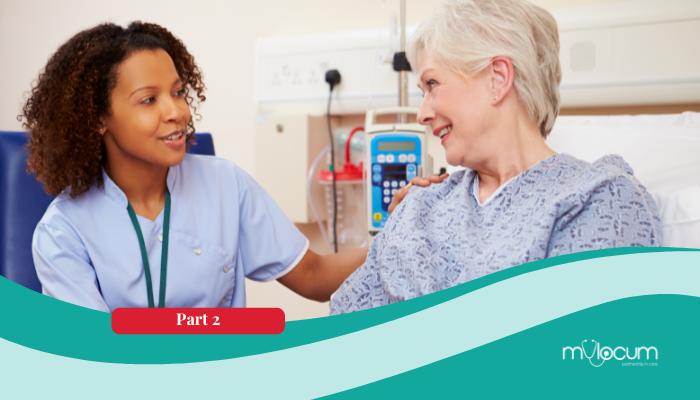
 In the first part of our blog series on Maslow’s Hierarchy of Needs and its relevance to nursing, we discussed how the framework provides a structured approach to understanding human needs. By acknowledging that individuals have both physiological and psychological needs, nurses can prioritise patient care in a way that nurtures holistic health.
In this second part, we’ll explore how nurses can apply Maslow’s Hierarchy in day-to-day practice. By ensuring that they meet patients’ needs effectively and compassionately. Whether you’re a seasoned nurse or just beginning your nursing career, understanding these principles can help you offer more empathetic and individualised care.
In the first part of our blog series on Maslow’s Hierarchy of Needs and its relevance to nursing, we discussed how the framework provides a structured approach to understanding human needs. By acknowledging that individuals have both physiological and psychological needs, nurses can prioritise patient care in a way that nurtures holistic health.
In this second part, we’ll explore how nurses can apply Maslow’s Hierarchy in day-to-day practice. By ensuring that they meet patients’ needs effectively and compassionately. Whether you’re a seasoned nurse or just beginning your nursing career, understanding these principles can help you offer more empathetic and individualised care.
|
For more Nursing job opportunities apply now in regions East & West Midlands. |
1. Focusing on Physiological Needs in Nursing Care
 At the foundation of Maslow’s pyramid are physiological needs — things like food, water, warmth, and rest. These are the most basic yet crucial needs for a patient’s survival. As a nurse, your first task is to ensure that these needs are met.
Practical Application:
At the foundation of Maslow’s pyramid are physiological needs — things like food, water, warmth, and rest. These are the most basic yet crucial needs for a patient’s survival. As a nurse, your first task is to ensure that these needs are met.
Practical Application:
- Assessing vital signs (e.g., temperature, pulse, respiratory rate, and blood pressure) is one of the primary ways to address a patient’s physiological health.
- Administering medications as prescribed to manage symptoms such as pain, fever, or dehydration can be life-saving.
- Offering assistance with activities of daily living (ADLs) such as eating, drinking, and bathroom needs helps to directly address the most basic survival requirements.
- Ensuring proper wound care and hygiene to prevent infections, which are critical to maintaining health and recovery.
|
To seek more Nursing jobs in Yorks/Humber, visit our website to apply now. |
2. Ensuring Safety and Security
 Once physiological needs are addressed, safety and security become the next focus. For a patient to feel comfortable and trust their healthcare environment, nurses must provide a sense of stability and protection.
Practical Application:
Once physiological needs are addressed, safety and security become the next focus. For a patient to feel comfortable and trust their healthcare environment, nurses must provide a sense of stability and protection.
Practical Application:
- Ensuring a safe environment where the risk of falls is minimized (e.g., removing obstacles, and ensuring proper lighting) can make a significant difference in patient outcomes.
- Assisting patients in understanding their care plan and medical procedures can provide reassurance, especially when they’re in unfamiliar or stressful situations.
- Providing emotional support, particularly in cases where patients are facing life-threatening illnesses, is vital. Simple acts like explaining procedures and answering questions can go a long way in building trust and security.
|
For more Nursing job opportunities apply now in regions North West & East. |
3. Fostering Love and Belonging
 Once safety and security needs are addressed, the next level involves love and belonging. This involves forming connections, building relationships, and feeling part of a supportive network. For patients, feeling cared for can promote emotional healing and foster a sense of connection.
Practical Application:
Once safety and security needs are addressed, the next level involves love and belonging. This involves forming connections, building relationships, and feeling part of a supportive network. For patients, feeling cared for can promote emotional healing and foster a sense of connection.
Practical Application:
- Nurses play a pivotal role in developing a strong rapport with patients. Building trust with patients can lead to improved cooperation with treatment and better health outcomes.
- Encouraging family involvement in care can help patients feel connected to their loved ones, especially in long-term or intensive care settings.
- Group therapy or peer support programs can help patients with chronic conditions or mental health struggles feel part of a supportive community.
|
To seek more Nursing jobs in Scotland, visit our website to apply now. |
4. Building Self-Esteem and Confidence
 As patients move up Maslow’s hierarchy, their self-esteem becomes increasingly important. Ensuring that patients maintain their dignity and feel good about themselves can promote recovery and overall well-being.
Practical Application:
As patients move up Maslow’s hierarchy, their self-esteem becomes increasingly important. Ensuring that patients maintain their dignity and feel good about themselves can promote recovery and overall well-being.
Practical Application:
- Recognizing achievements, no matter how small, can improve a patient’s confidence and sense of accomplishment. For example, congratulating a patient who has managed to sit up or walk after surgery or a long illness can greatly enhance their morale.
- Encouraging autonomy in tasks like eating, grooming, and decision-making can also empower patients to feel more in control of their health.
- Supporting mental health by addressing issues like anxiety and depression can also help preserve self-esteem. Regular mental health screenings and referrals to mental health professionals are part of comprehensive care.
|
For more Nursing job opportunities apply now in London. |
5. Self-Actualization: The Ultimate Goal
 At the top of Maslow’s Hierarchy lies self-actualization — the desire for personal growth, fulfilment, and reaching one’s potential. While this level may not always be immediately relevant to all patients, for some, particularly those dealing with chronic illnesses or life-limiting conditions, striving toward self-actualization is an important aspect of care.
Practical Application:
At the top of Maslow’s Hierarchy lies self-actualization — the desire for personal growth, fulfilment, and reaching one’s potential. While this level may not always be immediately relevant to all patients, for some, particularly those dealing with chronic illnesses or life-limiting conditions, striving toward self-actualization is an important aspect of care.
Practical Application:
- Helping patients define their goals and aspirations, even during illness, allows them to maintain a sense of purpose. For example, a cancer patient may find meaning in continuing to advocate for awareness or living life to the fullest despite their diagnosis.
- Nurses can encourage patients to engage in activities that promote self-growth, whether that’s through creative outlets like art therapy or spiritual practices that bring peace and comfort.
- For those with disabilities or chronic conditions, self-actualization can also be achieved by learning to live independently or finding new ways to adapt and thrive in everyday life.
Maslow’s Hierarchy of Needs provides an insightful framework for nurses to understand the layered and complex needs of their patients. From ensuring basic survival needs are met to fostering emotional and psychological well-being, nurses have the power to impact every level of the hierarchy.
By being attuned to each patient’s needs, nurses can offer comprehensive, compassionate, and effective care. This holistic approach is what helps patients not only survive but thrive through their healthcare journey.
In the next instalment of this series, we’ll explore how Maslow’s Hierarchy intersects with modern nursing practices, particularly in the areas of evidence-based care, patient-centred communication, and team collaboration.

You can go visit our website and you can go to the CV-Library to find more job opportunities for All Healthcare Workers.

